Blog
Healthy Aging Month
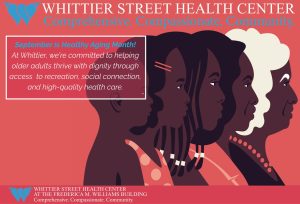
September is Healthy Aging Month—a time to develop proactive habits and healthy routines to support aging well. Getting older can come with new physical and mental challenges, but it doesn’t have to mean losing out on opportunities for enrichment, activity, and social bonding. In fact, research shows that older adults who maintain a consistent exercise routine and a close circle of friends are more likely to live longer, experience fewer health issues, and enjoy a higher quality of life.
Here are some ways to support healthy aging:
- Visit your health care provider: Attending doctor’s appointments, preventive screenings, and medication management regularly can help to flag potential health issues early and ensure you’re on the right track with caring for chronic conditions.
- Eat a balanced diet: Fuel your body with nutrient-rich foods, including fruits, vegetables, whole grains, lean proteins, and healthy fats. Good nutrition supports your energy and can prevent diseases like osteoporosis, high blood pressure, and type 2 diabetes.
- Sleep! Maintaining proper sleep hygiene is essential at all stages of life, but it can make all the difference in our cognitive function and mood as we age. Sleep problems, such as sleep apnea, insomnia, and disturbances to natural sleep cycles are more common among older adults, so it’s crucial to stick to a consistent sleep routine and talk to a doctor if you are experiencing persistent disruptions.
- Keep your body and your brain active: Physical exercise such as yoga, tai-chi, and aerobics supports your heart health, strength, and balance, while mentally stimulating activities, like reading, crosswords puzzles, or learning a new skill or subject, help keep your mind sharp.
- Join a social network: Friendship and social connections are some of the biggest predictive factors of healthy, happy aging. Spending quality time with friends, family, and your community can reduce feelings of isolation and help protect your emotional and mental health. Joining a new class, club, church, community center, or volunteer organization is a great way to build new relationships and hobbies.
- Get a memory screening: Memory screenings are recommended for adults starting at age 65 and older to monitor signs of dementia. If you are noticing changes in your memory or thinking, talk to your healthcare provider about completing a screening during your next annual physical.
Whittier is proud to collaborate with the Boston Public Health Commission (BPHC) and the Alzheimer’s Association of Boston to connect individuals with self-reported, suspected, or confirmed diagnoses of cognitive impairment, and/or their caregivers, with the Alzheimer’s Association for care consultation. In this collaborative approach, referred individuals are evaluated and connected with resources to help them live a high-quality life while managing cognitive impairment. If you are in need of assistance, please contact 617-989-3267.